
Head & Neck Cancers in Delhi NCR: Early Signs, Risk Factors, Diagnosis and Modern Treatment Options
By Dr Sourabh Mukharjee | Oncology Surgeon | Cancer Surgery | Noida • Delhi NCR
Head and neck cancers are increasingly being detected across India, and Delhi NCR is no exception. Because these cancers can affect vital functions like speech, swallowing, breathing and appearance, early recognition and timely treatment make a measurable difference—both in survival and in quality of life. The challenge is that many early symptoms are subtle and are often mistaken for common infections or “routine” throat and dental problems.
This blog is written to help patients and families in Delhi NCR understand head and neck cancers in a clear, non-alarming way—what they are, who is at risk, what warning signs to watch for, how diagnosis is made and what modern treatment pathways look like today.
What Are “Head & Neck Cancers”?
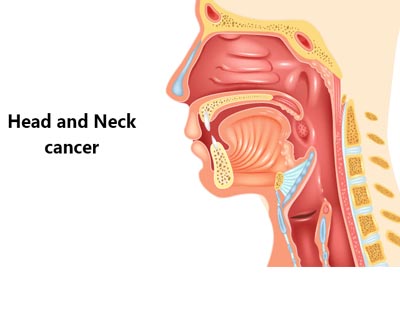
“Head and neck cancers” is a broad term for cancers that develop in the oral cavity, maxillary sinus, parotid and thyroid glands and upper aerodigestive tract and related structures. Most are squamous cell carcinomas, arising from the lining of the mouth, throat and voice box.
Common sites include:
- Oral cavity: tongue, gums, inner cheeks, floor of mouth, hard palate
- Oropharynx: tonsils, base of tongue, soft palate
- Larynx (voice box) and hypopharynx
- Nasopharynx (behind the nose)
- Salivary glands
- Nasal cavity and paranasal sinuses
- Thyroid cancers are sometimes discussed separately, but many patients consider them part of the “neck cancer” spectrum because they present with neck lumps.
In real-world clinical practice, patients often present with symptoms such as persistent ulcers, hoarseness, difficulty swallowing, or a neck swelling—and the site is confirmed after evaluation and imaging.
Why This Matters in Delhi NCR
Delhi NCR has a large, diverse population and strong healthcare access, but several regional factors influence detection and outcomes:
- High prevalence of smokeless tobacco and areca nut (supari/gutkha/paan masala) use—strongly linked to oral cancers.
- Smoking and alcohol, which act synergistically (risk multiplies when both are present).
- Air pollution and chronic irritation may not directly “cause” cancer on their own, but they can aggravate airway symptoms and delay recognition of serious warning signs.
- Late presentation due to self-medication, repeated antibiotics or assuming symptoms are minor.
The practical takeaway: In Delhi NCR, we must be especially vigilant about early symptoms in the mouth and throat.
Who Is at Risk?
Head and neck cancers can occur in anyone, but certain risk factors increase probability significantly.
1) Tobacco (smoking and smokeless)
- Cigarettes, bidis, hookah, and other smoked forms increase risk of cancers in the larynx, pharynx, and oral cavity.
- Smokeless tobacco (gutkha, khaini, paan with tobacco) and areca nut increase risk of oral cavity cancer and precancerous conditions like leukoplakia, erythroplakia and oral submucous fibrosis.
2) Alcohol
Alcohol increases risk independently and has a synergistic effect with tobacco. People who smoke and drink regularly have a much higher risk than either habit alone.
3) HPV (Human Papillomavirus) infection
HPV—especially HPV-16—is associated with some cancers of the oropharynx (tonsil and base of tongue). Many HPV-related cancers occur in individuals without heavy tobacco or alcohol exposure.
4) Poor oral health and chronic irritation
Ill-fitting dentures, sharp teeth causing repeated trauma, and poor oral hygiene can contribute to chronic inflammation. This does not mean they “cause cancer,” but they can be associated with increased risk, especially when combined with tobacco use.
5) Occupational exposure
Certain industrial exposures (wood dust, certain chemicals) may be associated with nasal and sinus cancers.
6) Age and family history
Risk increases with age. Family history can matter, but lifestyle factors remain the dominant drivers for most head and neck cancers.
Early Warning Signs You Should Not Ignore
Many patients first present to a dentist, ENT specialist, or general physician. The key is persistence—symptoms that do not settle in 2–3 weeks deserve evaluation.
Mouth and oral cavity warning signs
- Ulcers not healing after 2–3 weeks
- Red patch (erythroplakia) or white patch (leukoplakia)
- Pain, burning, or numbness in part of the tongue or mouth
- Difficulty chewing or movement restriction of tongue
- Bleeding from the mouth without a clear reason
- Loose tooth or gum swelling not explained by dental disease
- Jaw stiffness (commonly seen with oral submucous fibrosis)
Throat and voice warning signs
- Hoarseness lasting more than 2–3 weeks
- Persistent sore throat or feeling of a lump in throat
- Difficulty in swallowing (especially progressive)
- Pain while swallowing, sometimes radiating to ear
- Unexplained chronic cough or breathing difficulty
Neck warning signs
- Neck lump/swelling that is increasing or persistent
- One-sided painless enlarged lymph node without infection
- New swelling near salivary glands (parotid/submandibular area)
Constitutional symptoms (not specific, but important)
- Unexplained weight loss
- Fatigue, reduced appetite
Important note: Many of these symptoms can still be due to infections or benign conditions. The purpose is not fear—it is timely assessment.
“Precancerous” Conditions: A Chance to Prevent Cancer
One of the most critical opportunities in head and neck oncology is detecting and treating precancerous changes early.
Common precancerous conditions include:
- Leukoplakia: white patch that cannot be scraped off
- Erythroplakia: red patch, often higher risk than leukoplakia
- Oral submucous fibrosis (OSMF): progressive mouth opening restriction, commonly linked to areca nut/supari; can transform into cancer over time
If you or a family member uses gutkha/supari/paan masala and notices persistent oral changes, evaluation is strongly recommended. Stopping the habit is essential—but it should be paired with a professional examination and, if needed, biopsy.
How Head & Neck Cancers Are Diagnosed
Diagnosis is a stepwise process designed to confirm the cancer, locate the primary site, and stage the disease accurately.
1) Clinical examination
A thorough head and neck exam includes:
- inspection of the oral cavity
- palpation of neck nodes
- examination of throat and larynx (often with mirror or flexible endoscopy by ENT)
2) Endoscopy (where needed)
Flexible nasopharyngolaryngoscopy can evaluate the nasal cavity, throat, and voice box in a clinic setting.
3) Biopsy: the definitive step
A biopsy confirms:
- the type of cancer
- the grade
- markers that may guide treatment (e.g., HPV-related markers in oropharyngeal cancers)
For neck nodes, FNAC (fine needle aspiration cytology) or core biopsy may be used.
4) Imaging for staging
Imaging helps assess:
- depth and local spread
- lymph node involvement
- possible spread to lungs or elsewhere (in specific cases)
Common investigations include:
- Contrast-enhanced CT of head/neck
- MRI (especially for certain soft tissue detail)
- PET-CT in selected scenarios (staging, unknown primary, post-treatment assessment)
Staging matters because it guides whether the best approach is surgery, radiotherapy, chemotherapy, targeted therapy, immunotherapy, or a combination.
Treatment Options: What “Modern Care” Looks Like
Treatment is individualised. The goal is to maximise cure chances while preserving function (speech, swallowing) and appearance as much as possible. In most cases, decisions are made through a multidisciplinary tumour board including surgical oncology, radiation oncology, medical oncology, radiology, pathology, dentistry, nutrition, speech/swallow therapy, and supportive care teams.
1) Surgery
Surgery is the cornerstone for many oral cavity cancers and tumours in other sites.
Modern surgical principles include:
- complete removal of the primary tumour with adequate margins
- assessment/removal of lymph nodes (neck dissection) when required
- functional reconstruction when needed (to restore swallowing/speech and appearance)
Reconstruction and rehabilitation
Reconstruction may involve local flaps or microvascular free flaps in advanced cases. Rehabilitation is equally important: speech and swallowing therapy, dental evaluation, and physiotherapy can significantly improve outcomes.
2) Radiotherapy
Radiotherapy (RT) is used:
- as primary treatment for certain cancers (e.g., some laryngeal and oropharyngeal cancers)
- after surgery when risk of recurrence is higher
- sometimes with chemotherapy (concurrent chemoradiation)
Modern RT techniques such as IMRT can help reduce side effects by sparing salivary glands and critical structures when feasible.
3) Chemotherapy and targeted therapy
Chemotherapy may be used:
- with radiotherapy in advanced disease
- before local treatment in selected cases (induction chemotherapy)
- in recurrent/metastatic settings
Targeted therapy may be appropriate in certain contexts based on tumour biology and clinical indication.
4) Immunotherapy
Immunotherapy has become an important option for recurrent or metastatic head and neck cancers in suitable patients. Eligibility depends on tumour characteristics, previous treatments, overall health, and other clinical factors.
Side Effects and Supportive Care: What Patients Should Know
Head and neck cancer treatment can affect the mouth and throat. Anticipating and managing side effects is part of effective care.
Common concerns include:
- mouth sores (mucositis)
- dry mouth (xerostomia)
- taste changes
- difficulty in swallowing
- voice changes
- dental issues
- nutritional challenges and weight loss
Supportive care may include:
- nutritional counselling (high-protein, high-calorie diet plans)
- pain management and oral care protocols
- speech and swallowing therapy
- dental clearance and long-term oral hygiene support
- physiotherapy for shoulder/neck function (especially after neck dissection)
Patients do best when supportive care begins early—often before treatment starts.
The Importance of Early Detection in Head & Neck Cancers
When detected early, many head and neck cancers are highly treatable. Early-stage cancers often require less intensive treatment and have better outcomes with fewer long-term side effects.
A simple rule for patients and families:
Any persistent mouth ulcer, throat symptom, hoarseness, or neck lump lasting more than 2–3 weeks should be evaluated.
Early evaluation does not mean you have cancer—it means you are not leaving important health decisions to chance.
Prevention: Practical Steps That Work
Prevention is not abstract—it is actionable.
- Stop tobacco and areca nut in all forms: gutkha, paan masala, supari, khaini, smoking.
- Limit alcohol and avoid combining alcohol with tobacco.
- Maintain oral hygiene and address dental issues early.
- Do not ignore “small” symptoms that persist.
- Regular oral screening for those with high-risk habits, even if they feel well.
- Discuss HPV vaccination with your physician for eligible age groups and families (prevention is most effective before exposure).
When Should You Seek a Specialist Opinion in Delhi NCR?
Consider an oncology (cancer) specialist evaluation if you have:
- an oral ulcer/patch not healing in 2–3 weeks
- persistent hoarseness or swallowing difficulty
- a neck lump lasting more than 2 weeks
- history of tobacco/supari use with new mouth symptoms
- biopsy-proven precancerous lesion or dysplasia
- a confirmed diagnosis and need for a clear, stage-based treatment plan
A specialist consultation should focus on clarity: diagnosis confirmation, staging, treatment options, expected outcomes, side effects, and a personalised pathway.
Frequently Asked Questions
Is every mouth ulcer is cancer?
No. Most mouth ulcers are benign (due to trauma, infection, or nutritional issues). The concern is an ulcer that does not heal, especially in tobacco/supari users.
What does a cancerous mouth lesion look like?
It can look like a persistent ulcer, a growing mass, or a red/white patch. Pain may or may not be present early.
Is a neck lump always dangerous?
Many neck lumps are due to infections. However, a persistent or enlarging neck node requires evaluation, especially in adults.
Can head and neck cancer be cured?
Many cases can be cured, especially when detected early and treated appropriately. Even in advanced stages, modern multimodality treatment can offer meaningful control and quality of life.
Closing Note for Patients and Families in Delhi NCR
Head and neck cancers are best approached with a balance of urgency and calm: do not ignore warning signs, but also do not panic. With timely diagnosis, accurate staging, and multidisciplinary care, treatment can be planned in a structured way—aiming for cure wherever possible and function preservation throughout.
If you or a loved one in Delhi NCR has persistent symptoms or has been advised further evaluation for an oral or throat lesion, seeking a specialist opinion is a practical and responsible next step.
Dr Sourabh Mukharjee
Oncology Surgeon | Cancer Surgery | Noida • Delhi NCR